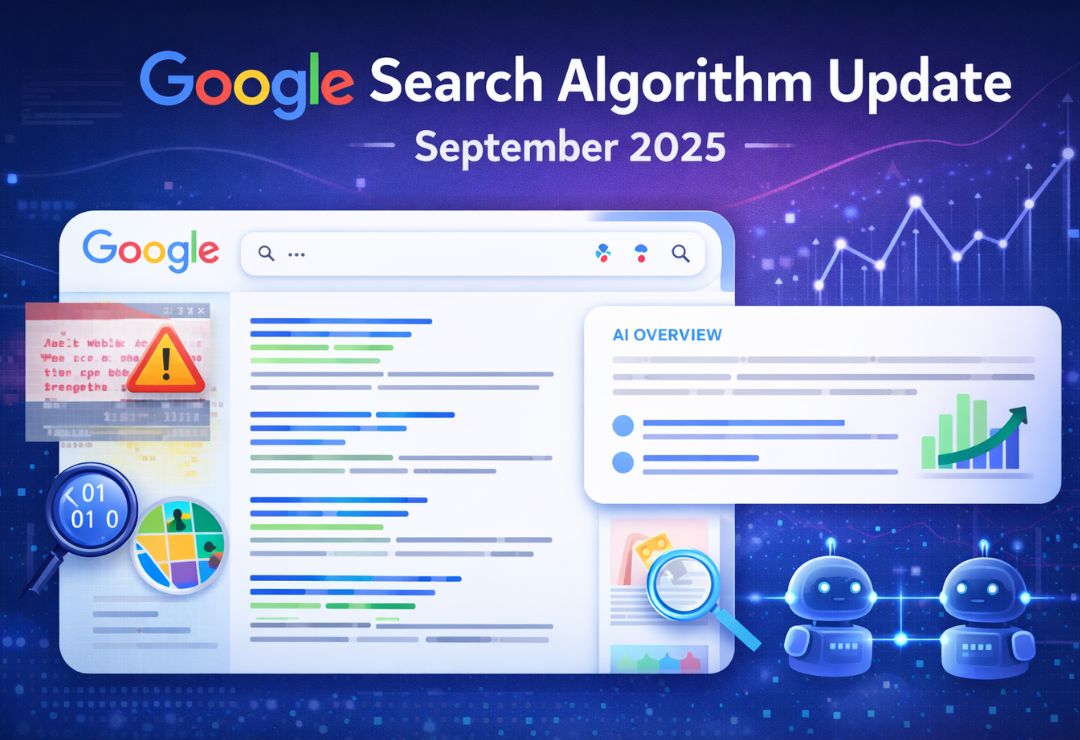
The Google Search Algorithm Update September 2025 marked a pivotal moment in the evolution of search rankings. This update, often referred to as the culmination of the August 2025 spam update, brought significant shifts to how Google evaluates websites. It emphasized spam detection, backlink quality, and content authenticity, affecting millions of sites globally.
For SEO professionals and website owners, understanding the Google algorithm update September 2025 is crucial. It influences visibility, traffic, and revenue. Ignoring these changes could lead to ranking drops, while adapting can yield substantial gains.
What Is the Google Search Algorithm Update September 2025?
The Google Search Algorithm Update September 2025 primarily refers to the completion of a broad spam update that began in late August and wrapped up on September 22, 2025. This wasn’t a standalone core update but an extension of efforts to combat low-quality content and manipulative practices.
Google’s search updates in 2025, including this one, aimed to refine ranking algorithms for better user experiences. The September phase intensified scrutiny on spammy elements, leading to noticeable volatility in search results.
Website owners reported sudden shifts in rankings, underscoring the update’s wide-reaching impact. This Google search update 2025 built on previous iterations, focusing on global languages and regions without geographic limitations.
What Changed in the September 2025 Google Algorithm Update?
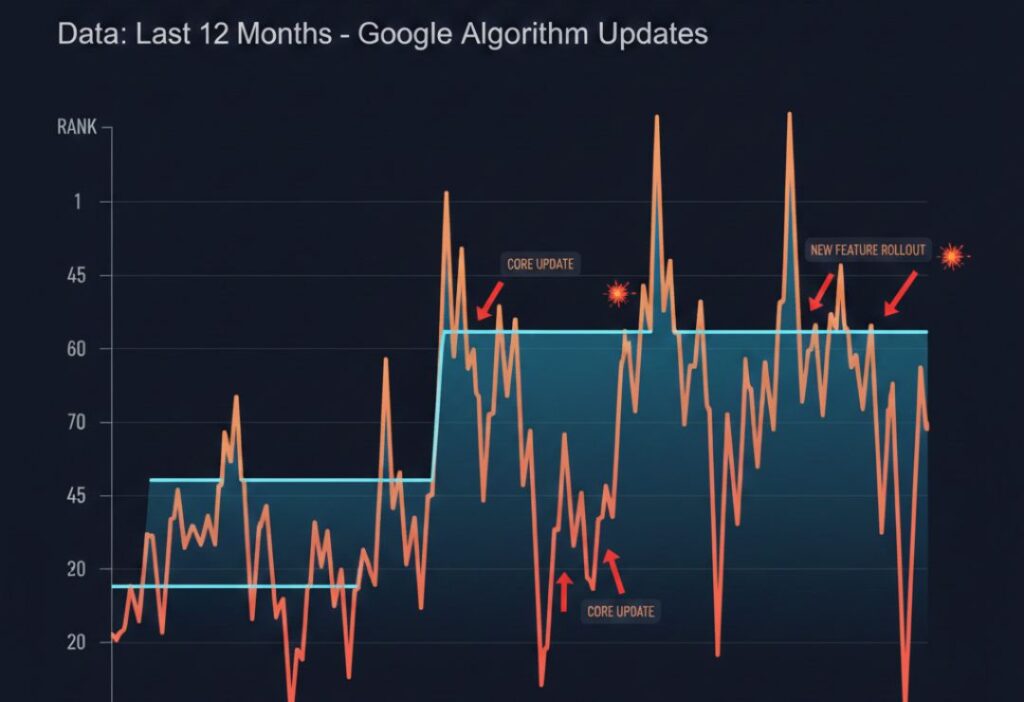
Several key modifications defined the September 2025 Google core update. First, Google enhanced its detection of manipulative backlinks. Sites with unnatural link profiles faced quicker penalties, as the algorithm prioritized relevance and authority in backlinks.
Content freshness received a boost. Websites updating information regularly saw improved visibility, especially for time-sensitive queries. This encouraged ongoing content maintenance over static pages.
Additionally, the update addressed AI-generated content more aggressively. Google implemented stricter checks to ensure authenticity, demoting pages lacking human oversight or original insights.
A notable change involved Google Search Console (GSC) reporting. The removal of the “&num=100” parameter altered how impressions were tracked, leading to apparent drops in data for many users. This wasn’t a direct algorithm tweak but impacted how SEO teams monitored performance.
Mobile experience and page speed also gained prominence. Sites failing Core Web Vitals metrics, like Interaction to Next Paint (INP), risked lower rankings. Structured data handling tightened, rewarding accurate schema markup.
Overall, these alterations in the Google algorithm update September 2025 aimed to purge spam while elevating useful, trustworthy content.
Key Ranking Factors Impacted by the September 2025 Update
The update heavily influenced several core ranking factors.
- Content Quality and Relevance: Google rewarded in-depth, user-focused content. Thin or duplicated pages dropped, while those matching search intent rose.
- E-E-A-T (Experience, Expertise, Authoritativeness, Trustworthiness): This framework was reinforced. Sites demonstrating real expertise through credentials and original data fared better.
- User Experience and Page Performance: Fast-loading, mobile-friendly sites gained advantages. Poor UX led to demotions, emphasizing the need for seamless navigation.
- AI-Generated Content Signals: Algorithms scrutinized machine-produced text for misinformation. Human-edited AI content with fact-checking performed well, but pure automation suffered.
These factors highlight how Google ranking changes 2025 prioritize value over volume.
How the Google Search Algorithm Update September 2025 Affects Rankings
The SEO impact of Google updates like this one varies by site quality.
High-quality websites often saw boosts. Those with strong E-E-A-T and relevant backlinks experienced traffic increases, as the update cleared out competitors using spammy tactics.
Conversely, low-quality or spam-heavy sites faced severe drops. Manipulative links and irrelevant content triggered penalties, sometimes leading to deindexing threats.
How Google algorithm updates affect rankings depends on adaptation speed. Sites ignoring warnings saw prolonged volatility, while proactive ones stabilized quickly.
The reporting change in GSC added confusion, making it essential to cross-reference with tools like Google Analytics for accurate insights.
SEO Winners and Losers After the September 2025 Update
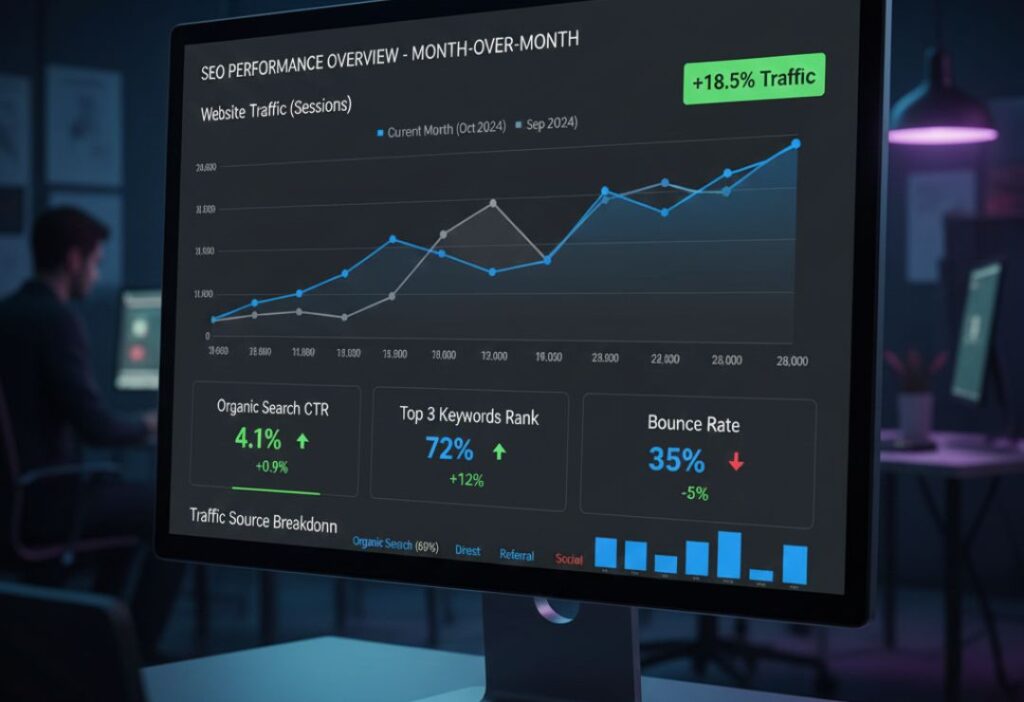
Winners included authoritative niches like health and finance, where E-E-A-T shone. Blogs with original research and user testimonials climbed SERPs.
Losers were often affiliate sites relying on AI content or paid links. Many reported 35%+ traffic losses due to demotions.
E-commerce platforms with optimized mobile experiences thrived, while outdated sites lagged.
Local businesses adapting to hyperlocal signals also won, gaining from improved Google Business Profile management.
How to Recover or Improve Rankings After the Google Update
Recovery starts with a thorough audit.
- Technical SEO Fixes: Check for indexing issues, fix broken links, and optimize Core Web Vitals. Ensure mobile responsiveness to meet user experience demands.
- Content Optimization Strategies: Prune low-value pages and enhance existing content with fresh data. Incorporate E-E-A-T elements like author bios and citations.
- On-Page and Off-Page SEO Actions: Refine meta tags for better CTR. Build natural backlinks from reputable sources, disavowing toxic ones via GSC.
Monitor progress weekly, as recoveries can take weeks to months. Diversify traffic sources to mitigate future update risks.
Real-World SEO Observations and Case Insights
In real scenarios, a tech blog hit by the update recovered by adding expert interviews, boosting rankings by 25%. Another e-commerce site lost traffic due to slow loads but regained it after optimizations.
Observations from SEO communities show volatility peaking around September 9, with recoveries for sites focusing on usefulness.
Case studies highlight the value of AI-human hybrid content, where edited outputs performed well.
Common SEO Mistakes to Avoid After the September 2025 Update
Avoid keyword stuffing; focus on natural integration.
Don’t ignore backlink audits—toxic links can sink rankings quickly.
Over-relying on AI without human review invites scrutiny.
Neglecting mobile optimization is a pitfall, as user experience now heavily influences scores.
Finally, skipping structured data misses opportunities for rich snippets.
Future of Google Algorithm Updates (Beyond 2025)
Looking ahead, Google will likely integrate more AI for personalized search. Updates may target emerging spam like deepfakes.
Expect emphasis on sustainability and accessibility in rankings.
SEO pros should prepare for frequent, unannounced tweaks, staying agile.
FAQs About Google Search Algorithm Update September 2025
What caused ranking drops in the Google algorithm update September 2025?
Drops often stemmed from spam detection, poor backlinks, or GSC reporting changes. Audit your site for quality issues.
How long does it take to recover from the September 2025 Google core update?
Recovery varies but can take 1-3 months with proper optimizations like content refreshes and technical fixes.
Does the Google search update 2025 penalize AI content?
Not all AI content, but unedited or misleading material faces demotion. Human oversight is key.
What are the best tools to monitor Google ranking changes 2025?
Use Google Search Console, Analytics, Ahrefs, or SEMrush for tracking volatility and performance.
How do Google algorithm updates affect rankings for small businesses?
They level the playing field by rewarding quality over manipulation, benefiting authentic local sites.
Conclusion
The Google Search Algorithm Update September 2025 reshaped the SEO landscape, emphasizing authenticity and user value. By adapting to these changes, websites can thrive amid ongoing evolutions. Stay informed on future Google algorithm updates to maintain strong rankings.